



Key points
- You can take steps to prevent Staph food poisoning.
- Always wash your hands before preparing or serving food.
- Keep food out of the "danger zone" between 40°F and 140°F.
- Refrigerate perishable food after 2 hours (or 1 hour if in 90°F or hotter temperatures).
What increases your risk
Eating foods held at unsafe temperatures can increase the risk of Staph food poisoning.
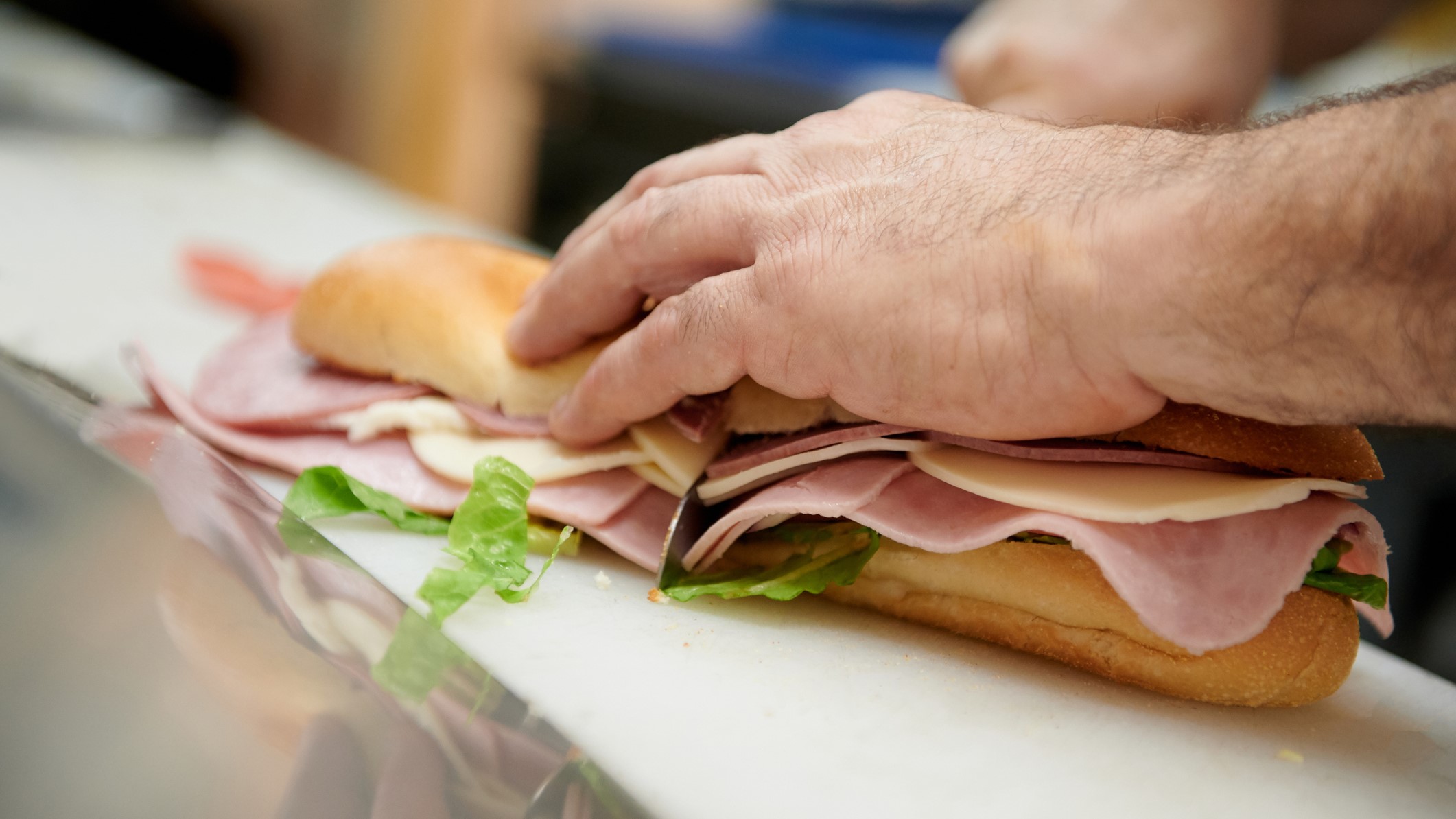
Foods that are not cooked after handling, such as sliced meats, puddings, pastries, and sandwiches, are especially risky if contaminated with Staph.
Prevention tips
Staph and other germs can multiply rapidly in food left at room temperature – or in the "danger zone" between 40°F and 140°F.
After food is cooked, do not keep it at room temperature if it will not be served and eaten soon. Instead, keep it heated to 140°F or hotter or refrigerate it at 40°F or colder.
Perishable food that has been in the "danger zone" should be refrigerated within 2 hours (or 1 hour if the food has been at 90°F or hotter, such as in a car or at a picnic).
Resources
Information for everyone
Information for food service managers and workers
CDC's Environmental Health Services (EHS) provides information and recommendations to help prevent environmental causes of foodborne illnesses and outbreaks.
- Visit EHS's food safety site.
- See studies on food handling practices.
This page was last updated on this date. Updates may include minor edits, image changes, or other modifications to page content.
The information on this page was last reviewed by subject matter experts to ensure accuracy.