



Key points
- The main rhabdomyolysis (rhabdo) symptoms are muscle pain, dark urine, and feeling weak or tired.
- Seek medical attention immediately if you experience any symptoms.
- Rhabdo symptoms can mimic other conditions like heat cramps and dehydration.
- A healthcare provider can perform a specific blood test to determine if you have rhabdo.

Signs and symptoms
It's important to learn the signs and symptoms of rhabdo that may be present. Learning the symptoms can help you figure out if you or someone else needs to seek medical attention.
If you develop rhabdo, you might have one or more of these symptoms:
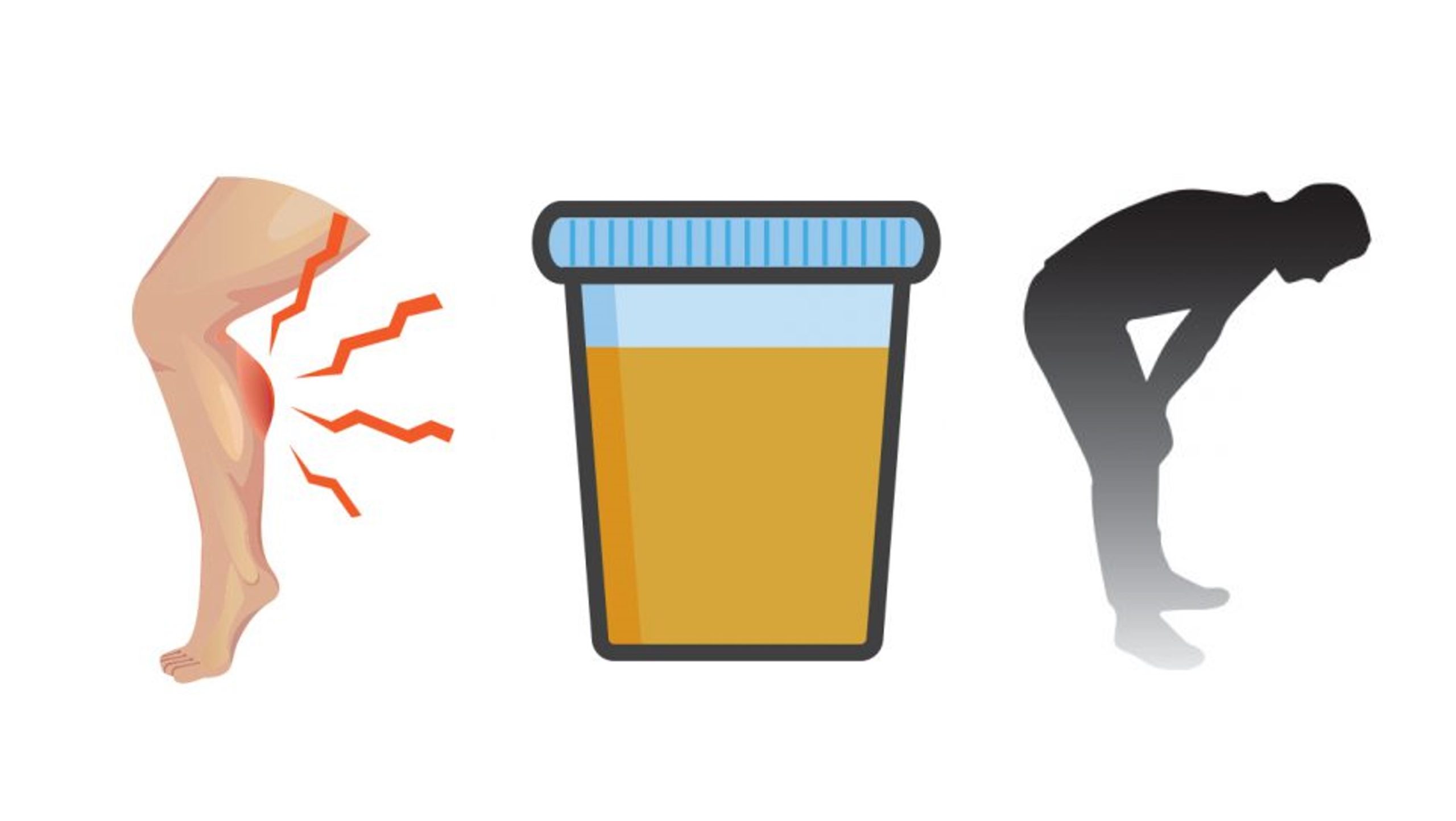
- Muscle cramps, aches, or pains that are more severe than expected
- Dark urine (tea- or cola-colored)
- Feeling weak or tired, unable to complete tasks or finish a workout you were able to do previously (also called exercise intolerance)
When will symptoms appear?
Symptoms of rhabdo may not begin until hours or days after the initial muscle injury. For some people, symptoms might not start to appear until several days after the initial injury.
Seek medical care immediately
Testing for rhabdo
You can’t tell by symptoms alone if you have rhabdo. Other conditions like dehydration and heat cramps can cause the same symptoms. The only way to know for sure is to obtain a blood test.
Blood tests for rhabdo
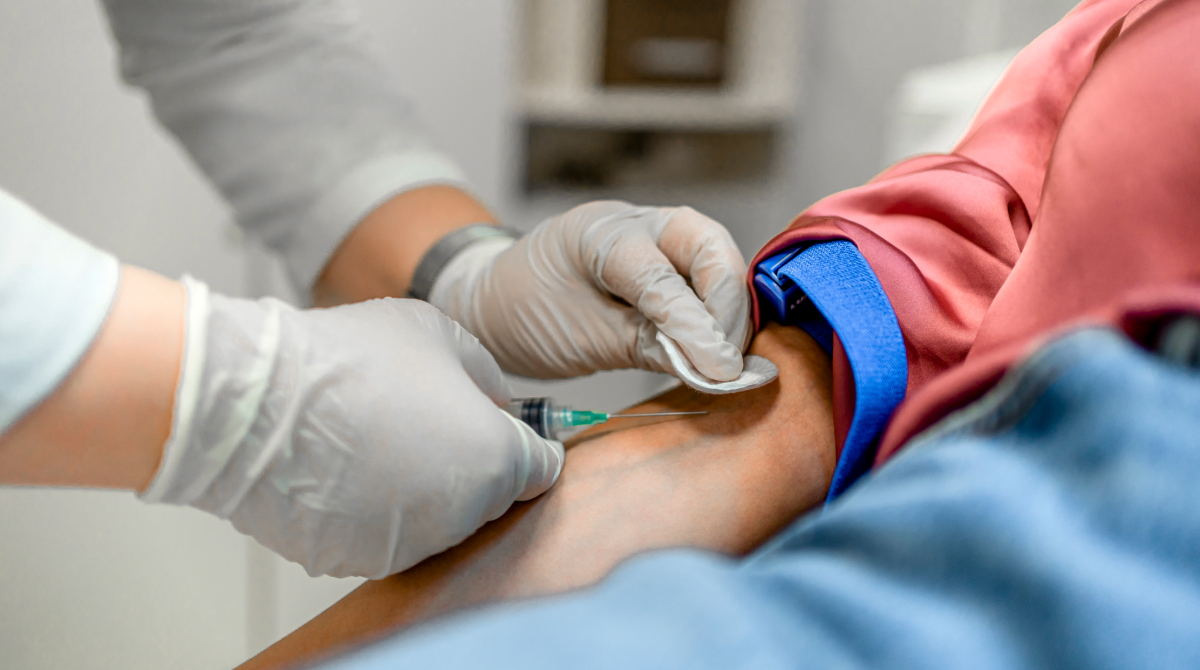
Repeated blood tests for the muscle protein creatine kinase (CK or creatine phosphokinase [CPK]) are the only accurate test for rhabdo. If you suspect that you may have rhabdo, ask a healthcare provider to check your CK levels with a blood test.
- CK enters the bloodstream when muscle tissue is damaged.
- When rhabdo is present, CK levels will rise.
You will need repeat blood tests to determine if CK levels are going up or down:
- Like symptoms, the rise in CK may not appear right away.
- Test CK levels until 2 consecutive tests show levels lowering.
Urine tests are not accurate
Urine dipstick tests are not a good way to diagnose rhabdo.
- These tests check for myoglobin (a muscle cell component) indirectly.
- Myoglobin quickly clears from the body so it may not show up in urine.
- High CK levels in the blood may persist for days.
This page was last updated on this date. Updates may include minor edits, image changes, or other modifications to page content.
The information on this page was last reviewed by subject matter experts to ensure accuracy.