



Key points
- Fleas are small insects that survive by feeding on animal or human blood.
- Their bites can cause discomfort, itchiness, and irritation. Sometimes, fleas can infect people or pets with the germs that cause flea-borne typhus, plague, or cat scratch disease.
Overview
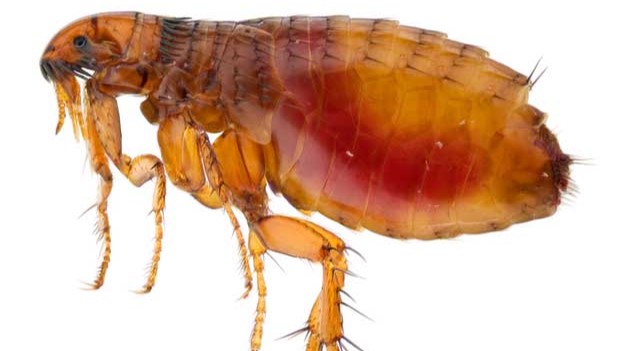
There are more than 2,500 flea species worldwide, with more than 300 species occurring in the United States. However, only a few species of fleas affect people’s health. These include the cat flea (Ctenocephalides felis), dog flea (Ctenocephalides canis), ground squirrel flea (Oropsylla montana), and Oriental rat flea (Xenopsylla cheopis).
Flea-borne diseases of the United States
In the United States, some fleas carry germs that can cause human disease.
Plague
Plague is most commonly spread to people in the United States by infected ground squirrel fleas, or globally by infected Oriental rat fleas. Plague can also be spread by improperly handling a plague infected animal. Most U.S. cases of plague occur in rural areas of the western United States.
Flea-borne (murine) typhus
Flea-borne (murine) typhus is spread to people by infected cat fleas, infected Oriental rat fleas, or their feces. Most cases in the United States are reported from California, Texas, and Hawaii.
Cat scratch disease
Cat scratch disease (CSD) is spread to people most often through the scratch of a domestic or feral cat that has been infested with Ctenocephalides felis fleas. The germ that causes the illness is shed in the flea feces and is introduced through the cat's scratch. CSD occurs wherever cats and fleas are found.
Parasites
Flea-borne parasites, such as tapeworms, can spread to people and animals if they accidentally swallow an infected flea. Small children are at higher risk than adults because they may spend more time close to the floor and carpeted areas where fleas are found. Most infected people will not show symptoms and will not know they are carrying tapeworms.
How it spreads
Fleas spread germs that cause disease primarily through the processes of feeding on hosts or through fecal contamination, when infected flea feces (poop; also called “flea dirt”) are scratched into an open wound.
Fleas prefer animal hosts but will resort to biting people when animals are unavailable. Adult fleas find hosts by detecting body heat, movement, the vibrations caused by movement, and breathing.
This page was last updated on this date. Updates may include minor edits, image changes, or other modifications to page content.
The information on this page was last reviewed by subject matter experts to ensure accuracy.