



Key points
- Cook foods to their safe internal temperature.
- Keep cooked foods at 40°F or colder or 140°F or hotter.
- Refrigerate leftovers at 40°F or colder within 2 hours of cooking the food or after removing it from an appliance keeping it at a safe temperature.
Prevention tips for the home
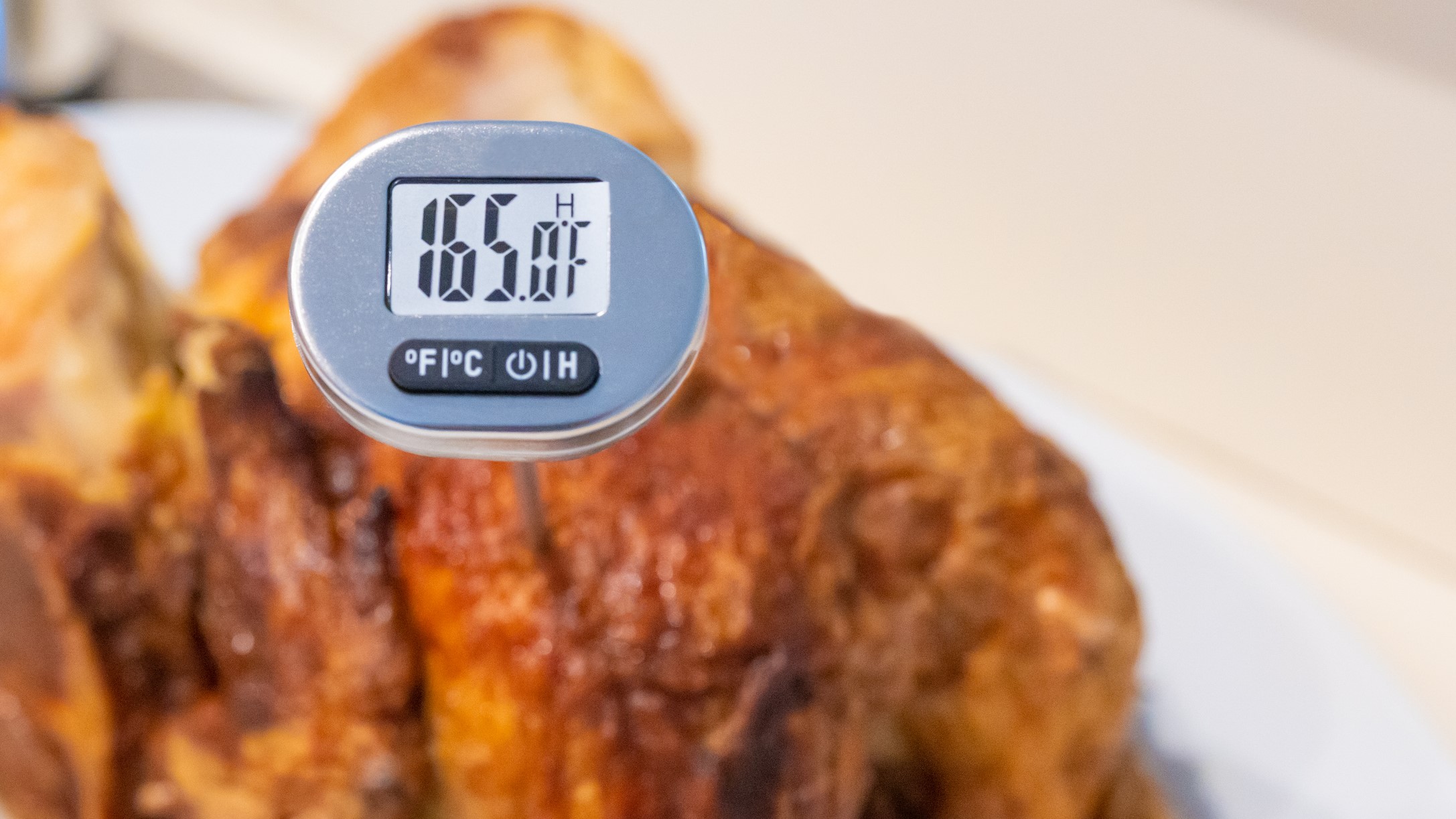
Cook food to the right temperature
Always cook food to a safe internal temperature to kill harmful germs that might be in the food.
- Learn how to place the thermometer correctly in different foods to get an accurate reading.
- This is especially important when cooking whole poultry, roasts, and other large cuts of meat.
Eat, cool, or keep food heated
C. perfringens and other germs can multiply rapidly in foods left in the "danger zone" between 40°F and 140°F. Keep foods out of the danger zone by serving and eating them immediately after cooking them.
If you cook food ahead of time, be sure to
- Keep it heated to 140°F or hotter before serving.
- Refrigerate it at 40°F or colder before serving.
- Reheat it to 165°F or hotter before serving.
Refrigerate food promptly
Refrigerate food at 40°F or colder.
- Refrigerate within 2 hours after cooking the food or removing it from an appliance that's keeping it at a safe temperature.
- Refrigerate within 1 hour if the food is in temperatures hotter than 90°F, such as in a hot car or at a picnic.
Reheat leftovers safely
Reheat leftovers to 165°F or hotter before serving.
Keep Reading
Preventing Food Poisoning
Prevention tips for serving large groups
Prepare, hold, and store food properly
- Be mindful of the people, processes, and equipment involved in food preparation and storage.
- Train food service workers to follow all food safety standards, including handwashing.
- Check that all equipment and thermometers are working properly.
- Cook all food to a safe internal temperature.
- Keep food at safe temperatures after preparing it and while serving it.
Be mindful when catering
Catering events have been linked to outbreaks of C. perfringens food poisoning.
- Keep all food at a safe temperature, including during transportation.
- Regularly check the temperature of the food during the event.
- Remember to refrigerate food promptly.
Resources
Share resources for environmental health practitioners and the programs they serve.
Content Source
National Center for Emerging and Zoonotic Infectious Diseases (NCEZID)
About This Page
Published: May 15, 2024
Updated: April 3, 2024
This page was last updated on this date. Updates may include minor edits, image changes, or other modifications to page content.
Reviewed: October 28, 2026
The information on this page was last reviewed by subject matter experts to ensure accuracy.