



Key points
- Consider implementing immediate control measures if a healthcare facility's potable water is the likely source of Legionella exposure.
- Potable water is water used for drinking and bathing.
- Tailor the measures to the facility and outbreak.
- The information below supplements the considerations for all buildings with details specific to healthcare facilities.
Purpose and duration
Implementing control measures can reduce the possibility of ongoing transmission to susceptible patients. Tailor the measures to the structural characteristics of the facility and circumstances of the outbreak.
If implemented, continue the control measures until the investigation's completion, which includes:
- Identifying the possible source(s)
- Performing remediation
- Controlling the risk through effective control measures
Timing will vary by outbreak.
Examples of immediate control measures
Water restrictions
To avoid creating aerosols, consider:
- Avoiding exposure to hydrotherapy tubs
- Avoiding use of water from sink/tub faucets in patient rooms
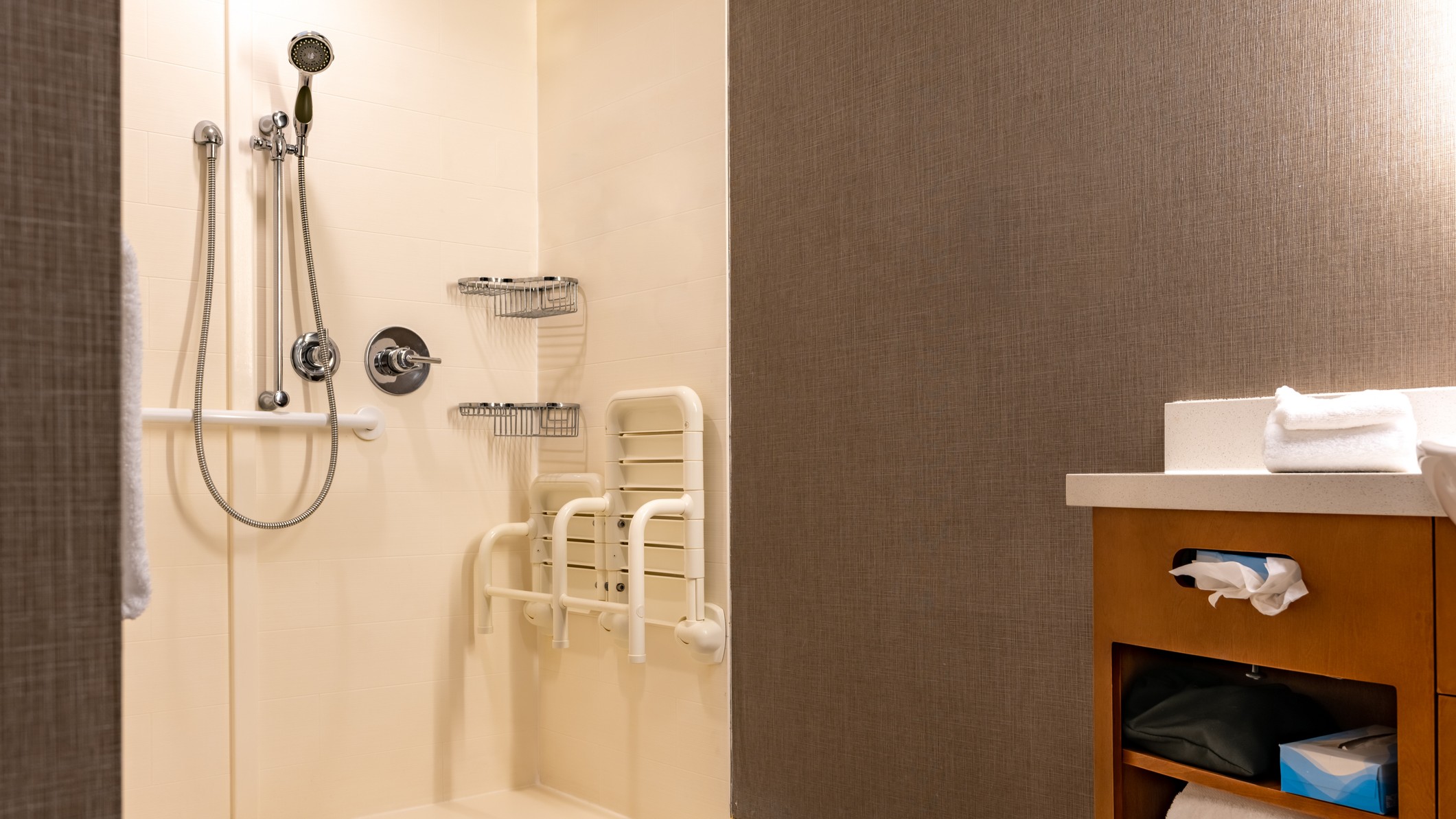
- Restricting showers (using sponge baths instead)
Limit consumption of non-sterile ice from facility ice machines for anyone at risk for aspiration or who has swallowing difficulties.
Provide sterile water to hematopoietic stem cell or solid-organ transplant patients for tooth brushing and drinking. Use sterile water in to flush their feeding tubes.
Consider providing bottled water to other susceptible patients.
Reminder
The information on this page is intended to supplement, not replace, the considerations for all types of buildings.
This page was last updated on this date. Updates may include minor edits, image changes, or other modifications to page content.
The information on this page was last reviewed by subject matter experts to ensure accuracy.