


What to know
In 2016, CDC and its partners launched the first national public service campaign dedicated to raising awareness of prediabetes. For 10 years, the Do I Have Prediabetes? campaign has reached millions of Americans with one important message: know your risk and take action.
A decade of impact
For a decade, the Do I Have Prediabetes? campaign has helped millions of Americans learn their risk for prediabetes and take steps to improve their health. Through engaging public service announcements, an innovative 1-minute risk test, and sustained media support, the campaign has turned prediabetes awareness into action.
Since the campaign launched:
- More than 37 million online and video prediabetes risk tests have been completed.
- More than 9.2 million people have visited DoIHavePrediabetes.org.
- More than 333,000 people have clicked to find a National Diabetes Prevention Program.
- The campaign has received more than $331 million in donated media support, extending the reach of its messages nationwide.
The campaign's impact extends beyond engagement. Over the course of the campaign, awareness of prediabetes increased nearly 20% among American adults. People exposed to the campaign were three times as likely to enroll in the National Diabetes Prevention Program or say they planned to enroll, compared with those who were not exposed.
Explore 10 years of campaign impact.
Why prediabetes awareness matters
Prediabetes is a serious health condition that can lead to type 2 diabetes and other long-term health risks, including heart attack and stroke. More than 2 in 5 American adults have prediabetes, yet the vast majority don't know they have it. The good news is that prediabetes can often be reversed through lifestyle changes, and early action can help prevent or delay type 2 diabetes.
CDC recognized the need to close this awareness gap. In 2016, CDC partnered with the Ad Council, the American Diabetes Association, and the American Medical Association to launch Do I Have Prediabetes?, bringing together national public health, diabetes, and communications expertise to reach people at risk and motivate them to act.
Campaign goals
The campaign was created to raise awareness of prediabetes as a serious health condition and encourage people to learn their risk. Campaign messages direct people to take the
1-minute prediabetes risk test and, if they have a high risk score, talk with their health care provider and learn about lifestyle changes that can help prevent or delay type 2 diabetes.
The campaign reaches audiences through television, radio, digital and social media, and advertising. While designed to reach U.S. adults aged 40 to 65, the campaign places additional focus on populations most affected by diabetes.
Turning awareness into action
A defining feature of the campaign is its 1-minute prediabetes risk test. People can take the test online or answer the questions in real time while watching select campaign videos, an innovative approach designed to make learning about prediabetes risk simple and accessible.
Both versions, the online risk test and real time video risk test, guide people through seven questions to help them understand where they stand with prediabetes. Those who receive a high risk score are encouraged to talk with their health care provider and learn about CDC-recognized lifestyle change programs available through the National Diabetes Prevention Program.
A campaign that continues to evolve
Since its launch, Do I Have Prediabetes? has continually evolved its creative approach to capture attention and motivate people to act while maintaining a consistent call to action: know your risk.
The campaign's earliest phases used humor, relatable situations, and a lighthearted tone to make an unfamiliar and potentially intimidating health topic approachable. During the COVID-19 pandemic, the campaign shifted to a more serious and urgent tone as research showed that people with diabetes and other chronic conditions were at higher risk of getting very sick from COVID-19.
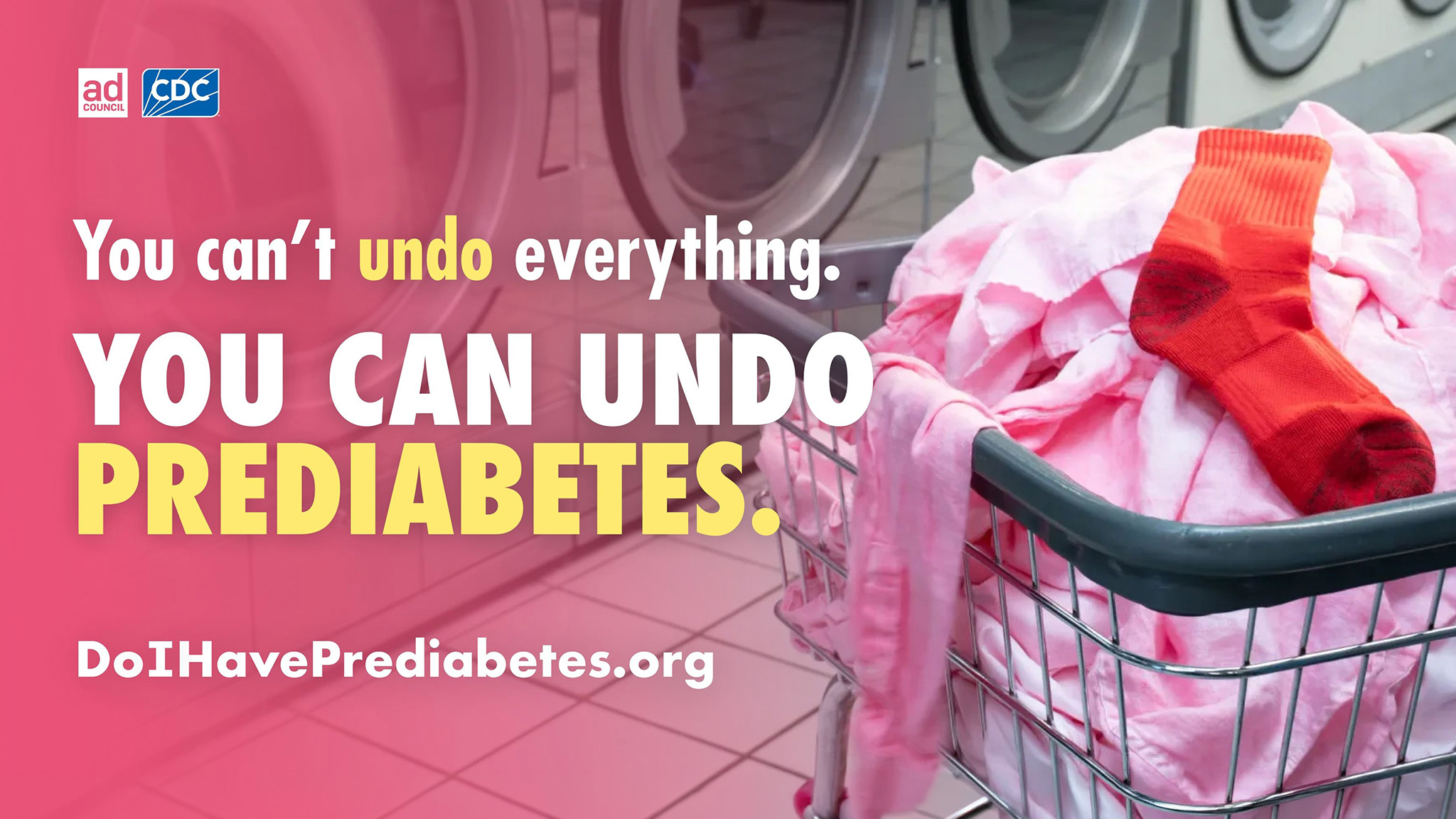
More recent phases have shifted the creative approach again, bringing back relatability and humor while continuing to communicate the importance of learning your risk and taking action. The latest phase, Undo It, uses everyday situations to show that while some things in life can't be undone, prediabetes can often be reversed through lifestyle changes.
Through each evolution, the campaign has continued to find new ways to make prediabetes relevant, memorable, and actionable for people at risk.
Building on 10 years of impact
The campaign has reached and engaged millions of Americans, but the need for prediabetes awareness remains. More than 115 million American adults have prediabetes, and most are unaware of their condition.
After a decade, Do I Have Prediabetes? continues to build on its success with new creative approaches and opportunities to reach people at risk. CDC and its partners remain focused on helping more people know where they stand and take action to prevent or delay type 2 diabetes.
For resources to help share the campaign, visit the Prediabetes Awareness Campaign Toolkit.
This page was last updated on this date. Updates may include minor edits, image changes, or other modifications to page content.
The information on this page was last reviewed by subject matter experts to ensure accuracy.