



At a glance
When foodborne illness is caused by chemicals, toxins or heavy metals, identifying the source and coordinating a response can be especially challenging. CDC worked with state health departments to build the Non-Infectious Foodborne Outbreak Response (NIFOR) tool, which helps state and federal public health teams share information, coordinate investigations and better understand outbreaks as they unfold. Powered by CDC's One CDC Data Platform (1CDP), NIFOR gives response teams standardized tools for collecting and sharing outbreak information — helping to close an important gap in the response to non-infectious foodborne illnesses.
The Challenge
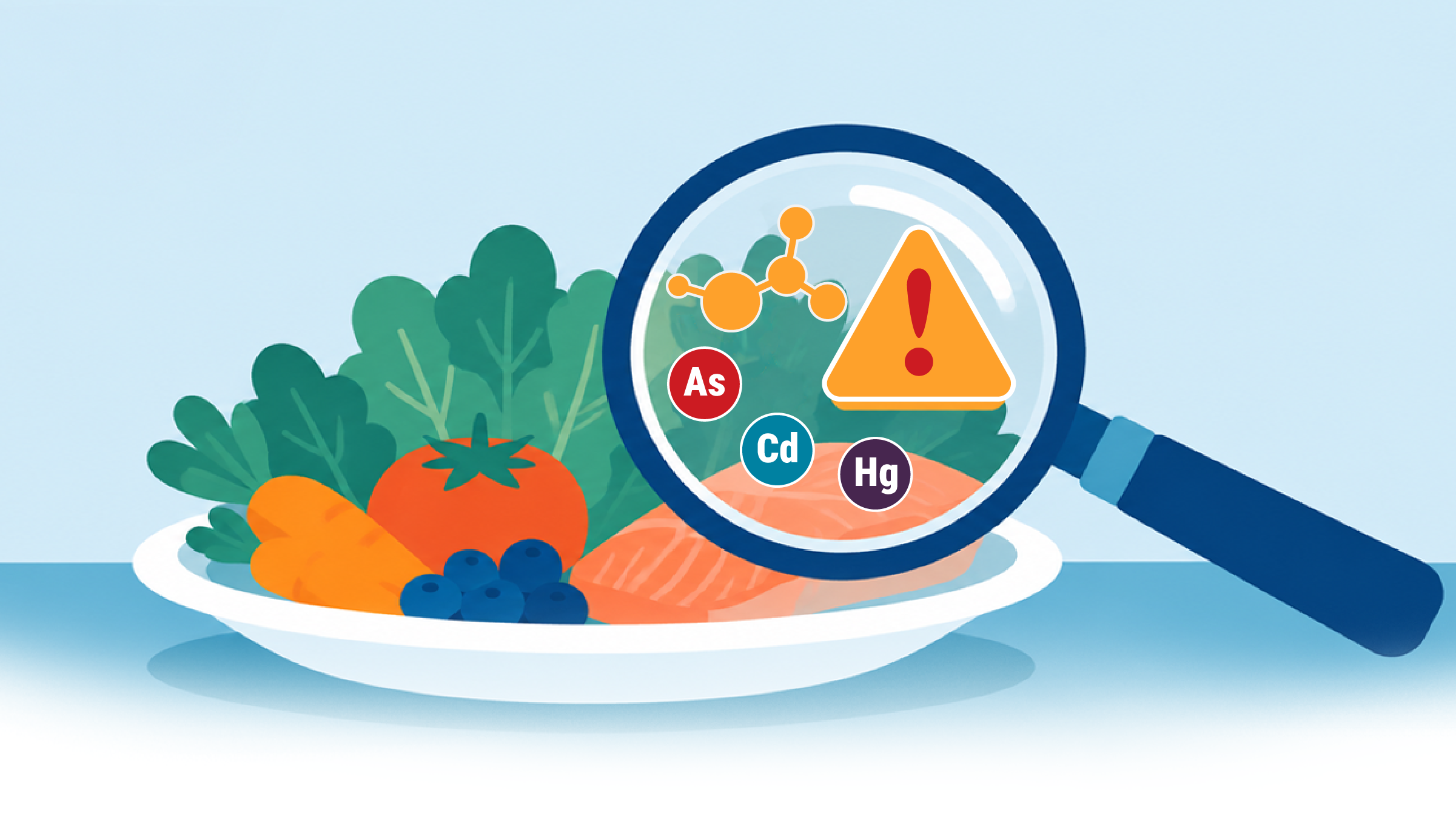
Non-infectious foodborne illness outbreaks are less common than infectious outbreaks caused by bacteria, viruses or other infectious agents, but they can be especially challenging to investigate. Outbreak investigators must rule out more potential sources of illness, such as chemicals, toxins or heavy metals, than they would for an infectious outbreak. At the same time, there are fewer diagnostic tests available for non-infectious causes of foodborne illnesses. During an investigation, differences in how public health agencies collect and report data can also make it harder for response teams to quickly understand what is happening across affected areas.
The Solution
CDC designed NIFOR in collaboration with the public health teams that would use it, including health departments and other federal agencies, such as the U.S. Food and Drug Administration. CDC engaged with health departments from six states — Arizona, California, Georgia, Kentucky, Minnesota and Tennessee — to assess their data needs. CDC developers then built a preliminary data solution within 1CDP and confirmed it worked well by running a tabletop exercise with the six state health departments.
NIFOR is designed to work with tools health departments already use, such as REDCap, Excel and CSV files, Jotform and PDFs. During an outbreak investigation, it allows CDC and partners to perform many essential tasks in one place:
- Submit consultation requests to CDC, triage requests and escalate them to investigations when indicated
- Log and track all communications related to inquiries and investigations
- Share de-identified case line lists containing standardized, key information about each case in an outbreak
- Share relevant supplemental files, such as environmental or biological sample results and purchase records
- Administer questionnaires and collect results, including automatic generation of REDCap templates
- Confirm jurisdictional approval to share case data in public outbreak advisories
- See real-time visualizations of key outbreak data across the United States
What's Next
CDC plans to offer NIFOR training at national public health meetings and expand use of the tool to states and territories across the country. As response teams begin to implement NIFOR during non-infectious foodborne illness outbreaks, CDC will continue working with state and federal partners to improve its capabilities.
This page was last updated on this date. Updates may include minor edits, image changes, or other modifications to page content.
The information on this page was last reviewed by subject matter experts to ensure accuracy.